
Precision casting with excellent quality
Integrated research and development, manufacturing, sales, and technical services of laboratory scientific instruments and intelligent equipment
National Consultation Hotline 15738867410
Integrated research and development, manufacturing, sales, and technical services of laboratory scientific instruments and intelligent equipment
National Consultation Hotline 15738867410

15738867410
Greenland Binhu International City (District 1), Erqi District, Zhengzhou City, Henan Province
COATER
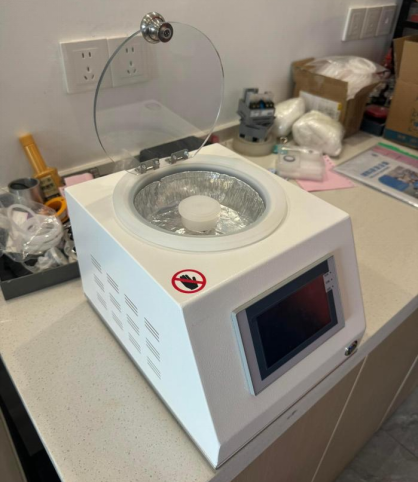
PRODUCT DESCRIPTION
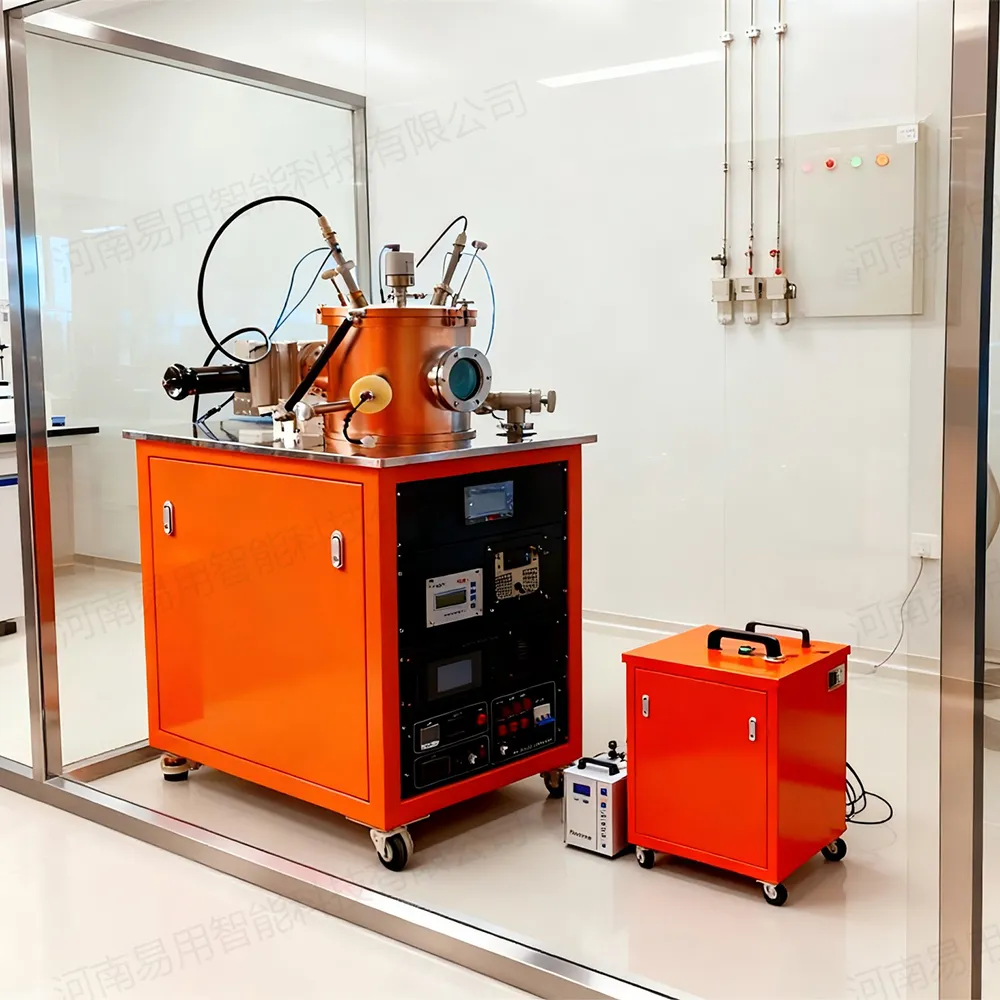
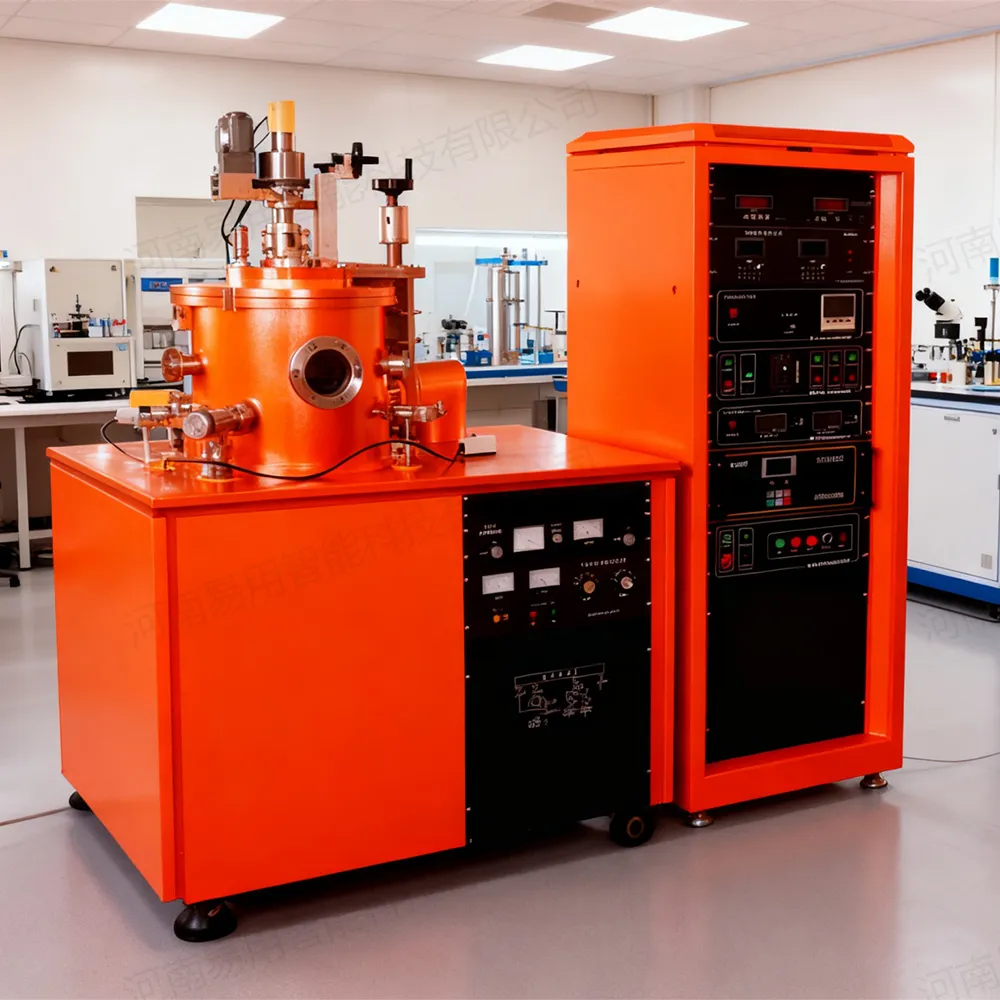
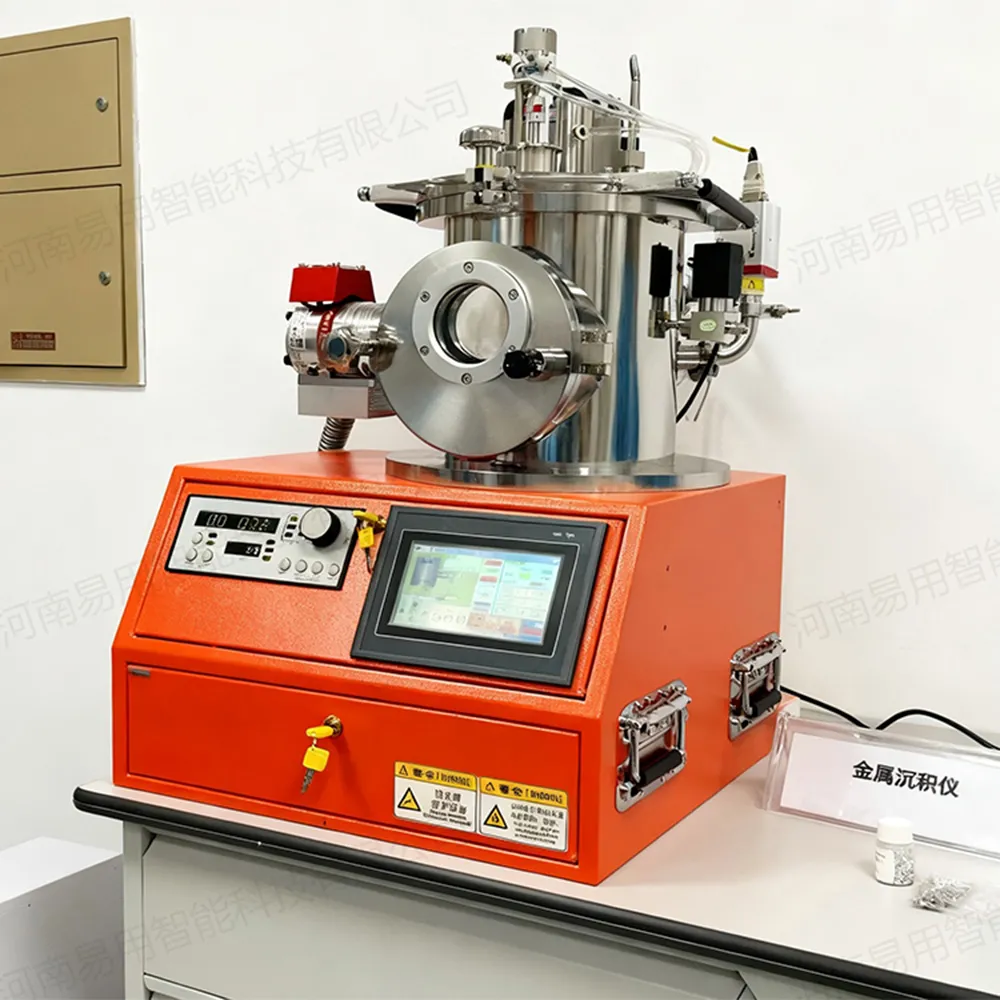
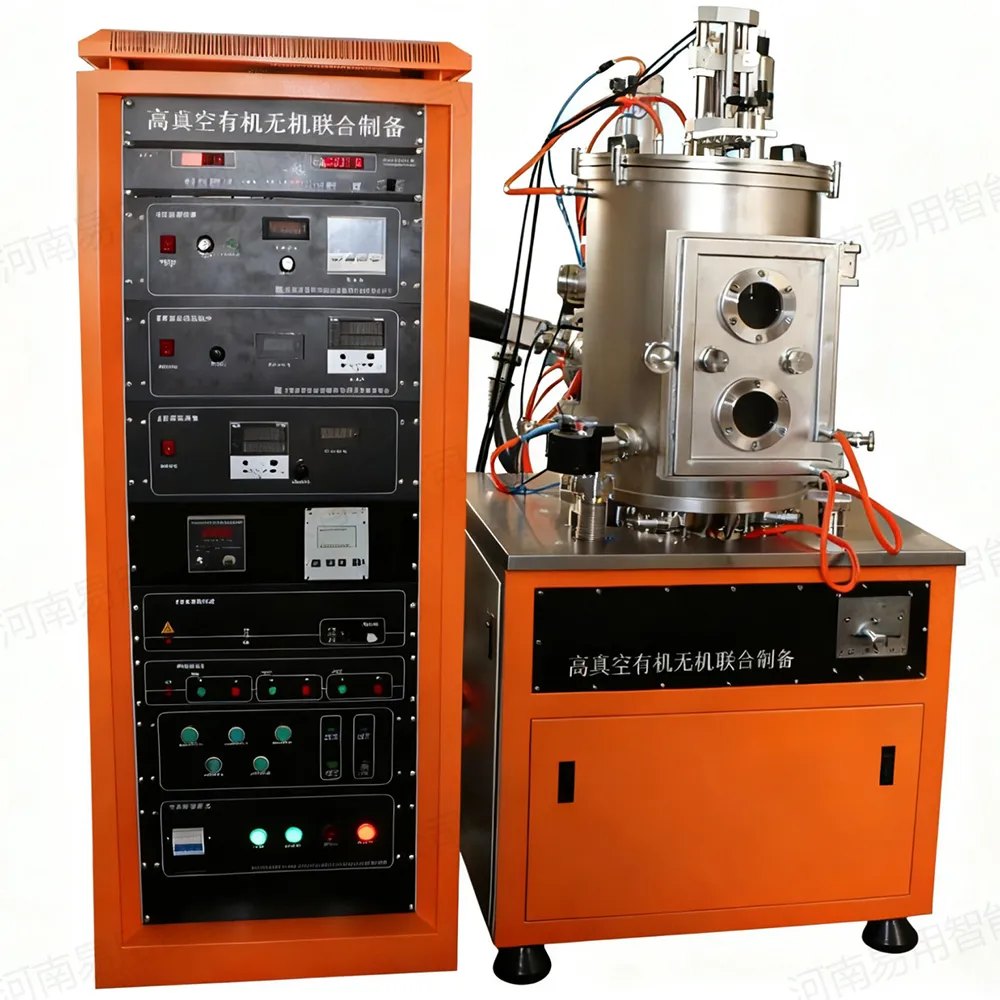
The equipment commonly used for spin coating technology is a glue spreader. There are many names for glue spreading machines, such as SpinCoater or Spin Processor in English. They are also known as glue machines, spin coating machines, spin coating machines, spin coating machines, spin coating machines, spin film machines, spin coating machines, spin coating machines, spin coating machines, and even film machines. In general, their principles are the same, that is, on a high-speed rotating substrate, various types of glue liquids are dripped, and centrifugal force is used to evenly coat the glue liquid dropped on the substrate. The thickness varies depending on the viscosity coefficient between the glue liquid and the substrate, and is also related to the rotation speed and time. The rotation speed range is 0-9999rpm and the glue spreading size is optional from 8mm to 20cm. The sentence is:.
THE PRINCIPLE OF THE GLUE HOMOGENIZER
The homogenizer is not unfamiliar to researchers in the field of microfluidics. It can be used to prepare thin films with a thickness of less than 10nm, and is often used in photoresist deposition lithography processes with a thickness of 1-100um. In the field of microfluidics, glass slides, silicon wafers, ITO conductive glass, and other materials can be used as thin film coating substrates. Simply put, the principle is to generate negative pressure through the wafer holder, adsorb the substrate material to be spin coated onto the wafer holder, and then drip the adhesive liquid of the spin coated material onto the surface of the substrate material. By adjusting the motor speed, the centrifugal force can be changed, and the adhesive flow rate can be controlled to obtain the desired film thickness. Of course, the film thickness is also related to factors such as spin coating time, adhesive viscosity, temperature, and humidity.
PARAMETERS RELATED TO THE PERFORMANCE OF THE GLUE HOMOGENIZER
(1) Material of the tray: Currently, most of the material used for the tray of the glue homogenizer is usually aluminum alloy or ordinary plastic. The reason is that the cost is low, which can meet the general requirements. However, for industries with strict requirements, such as semiconductors and chemical industries, due to the poor corrosion resistance of aluminum alloy, high temperature and plastic deformation, the requirements for the tray are relatively high. Currently, natural polypropylene and polytetrafluoroethylene materials are generally used because these two materials have the advantages of green and environmentally friendly materials, light weight, high strength, durability, and good impact resistance.
(2) Vacuum adsorption and cleaning system: The pressure calibration of the vacuum pump system needs to be accurate. If the actual pressure decreases, there may be flying phenomena, which can easily lead to experimental accidents. After using the spin coater, it is necessary to clean the * * hole with organic solvent in the open state to ensure normal use next time.
(3) Rotation speed: The speed and precision control will directly affect the thickness of the spin coating and the uniformity of the film layer. Therefore, the error between the indicated speed and the actual speed of the motor needs to be minimized as much as possible, otherwise useful experimental data cannot be obtained for the user,
What operational behaviors can affect the thickness of the spin coating coating layer?
(1) The adhesive droplets should be injected onto the surface of the substrate material, and the amount of adhesive droplets should be much larger than the final adhesive solution applied to the surface.
(2) At a constant time, the thickness of the film can be changed by changing the rotation speed of the substrate.
(3) Rotating the substrate at a constant rate and duration can affect the film thickness through the volatility of the adhesive solution.
(4) By rapidly accelerating, the substrate speed can quickly reach the set ideal speed.
(5) Keeping the spin coating rate constant, the thickness of the film can be changed by adjusting the spin coating time on the substrate.
(6) By maintaining a constant speed and rotating the substrate for a certain duration, the film thickness can be changed by altering the viscosity force of the adhesive solution.
Introduction to the process of uniform gluing:
A typical homogenization process includes several steps, including dripping, high-speed rotation, and drying (solvent evaporation). The step of dripping photoresist onto the surface of the substrate, high-speed rotation spreads the photoresist onto the substrate to form a thin layer, and the step of drying removes excess solvent from the adhesive layer. The two commonly used dispensing methods are static dispensing and dynamic dispensing:
Static dispensing is a simple process of depositing photoresist onto the center of a stationary substrate surface, with a dispensing volume ranging from 1-10 mL. The amount of glue to be dripped should be determined based on the viscosity of the photoresist and the size of the substrate. When the viscosity is relatively high or the substrate is relatively large, it is often necessary to drop more glue to ensure that the entire substrate is coated with glue during high-speed rotation.
The dynamic dispensing method is used to apply photoresist while the substrate rotates at a low speed (usually around 500 revolutions per minute). The function of "dynamic" is to make it easy for photoresist to spread on the substrate, reducing the waste of photoresist. Using dynamic dispensing can wet (spread and cover) the entire surface of the substrate without requiring a lot of photoresist. Especially when the wettability of photoresist or substrate itself is poor, dynamic drop coating is particularly suitable and will not produce * *.
After dripping the glue, the next step is high-speed rotation. To achieve the desired thickness of the photoresist layer, the rotation speed during this stage is generally between 1500-6000 revolutions per minute. The selection of rotation speed also depends on the performance of the photoresist (including viscosity, solvent evaporation rate, solid content, and surface tension) and the size of the substrate. The rapid rotation time can range from 10 seconds to a few minutes. The speed and time of glue spreading often determine the thickness of the final glue film.
Generally speaking, if the glue speed is fast and the time is long, the film thickness will be thin. There are many variable factors that affect the homogenization process, and these factors often cancel each other out and tend to balance during homogenization. So * * give sufficient time to the glue mixing process to allow many influencing factors to reach a balance. One of the most important factors in the uniform adhesive process is repeatability, as subtle changes in process parameters can lead to significant differences in film properties.
QR code

Contact information
15738867410
Online Message
Top