
Precision casting with excellent quality
Integrated research and development, manufacturing, sales, and technical services of laboratory scientific instruments and intelligent equipment
National Consultation Hotline 15738867410
Integrated research and development, manufacturing, sales, and technical services of laboratory scientific instruments and intelligent equipment
National Consultation Hotline 15738867410

15738867410
Greenland Binhu International City (District 1), Erqi District, Zhengzhou City, Henan Province
Details
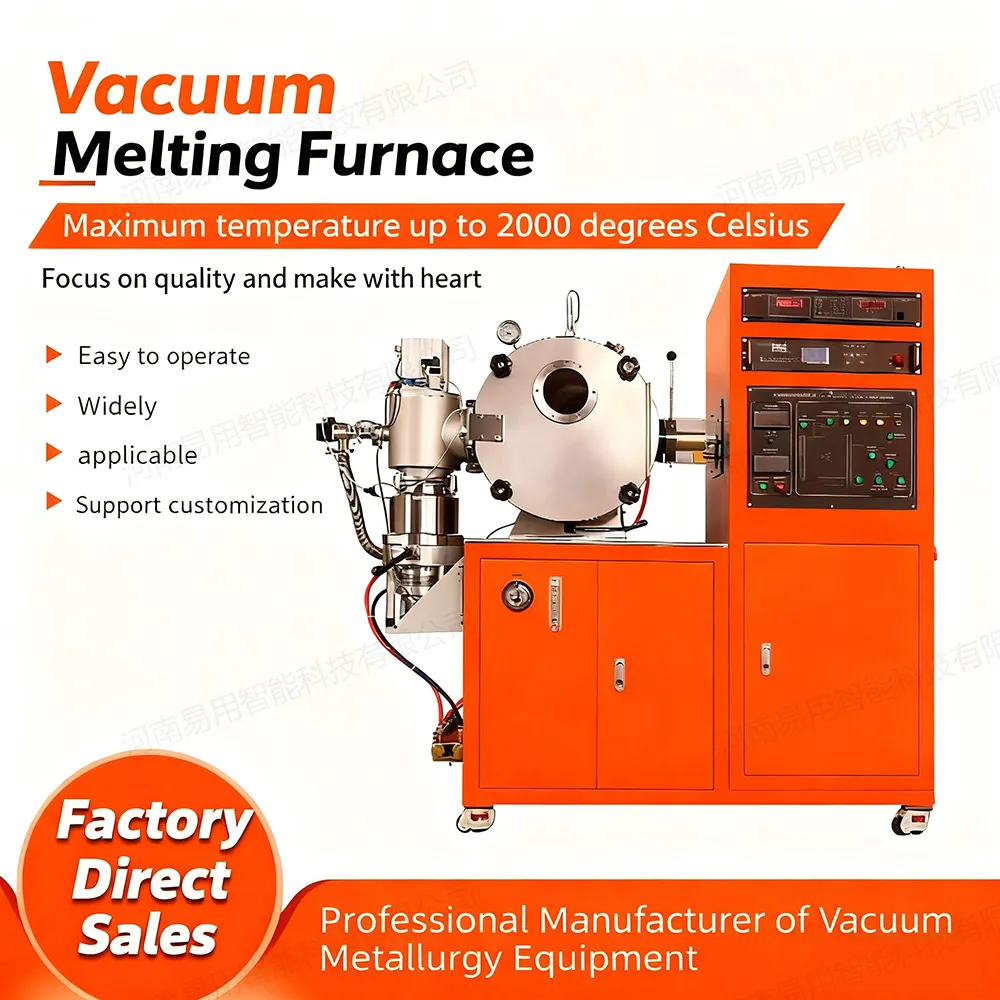
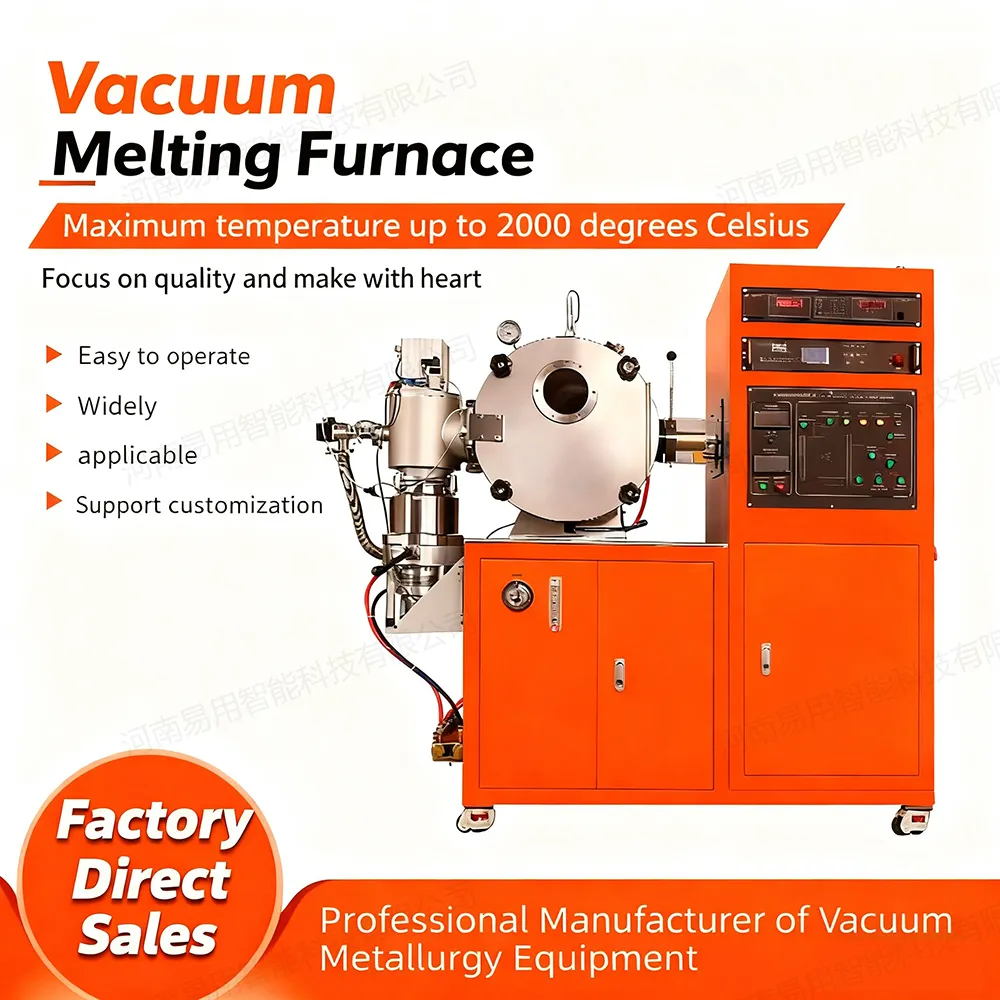
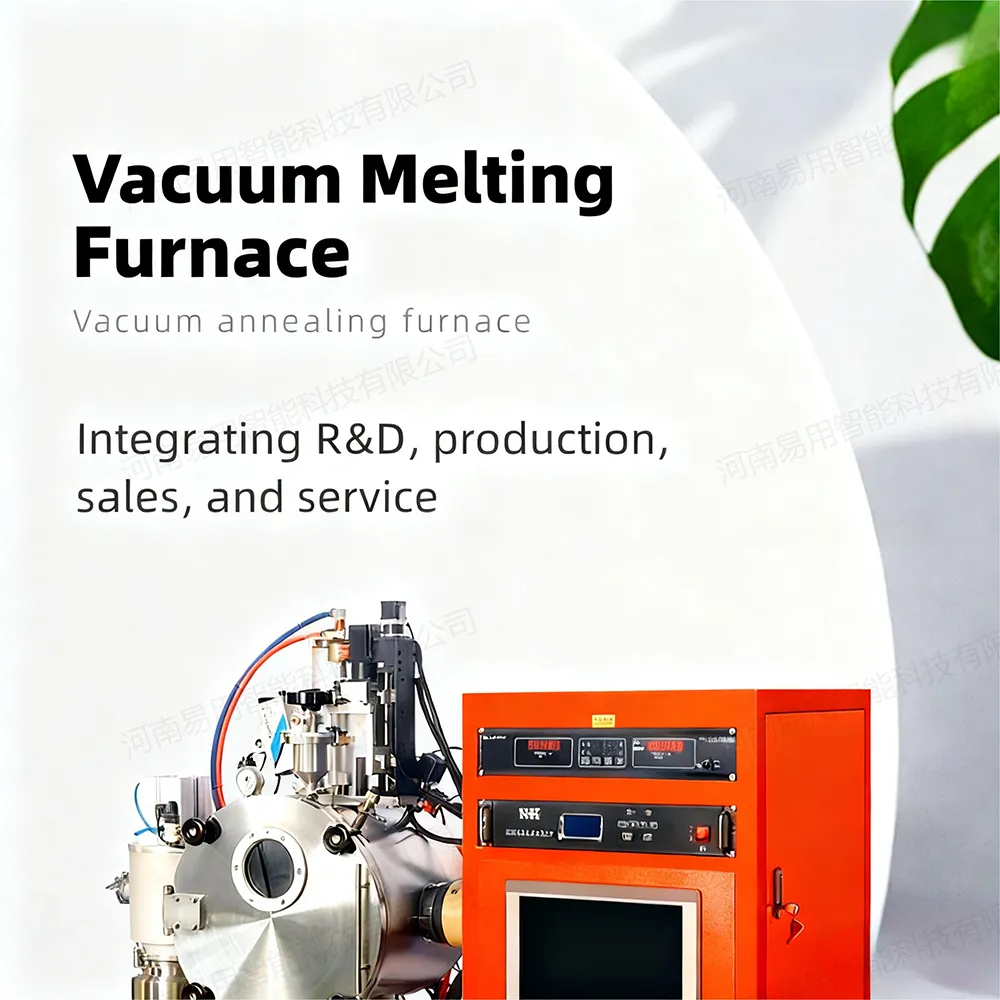
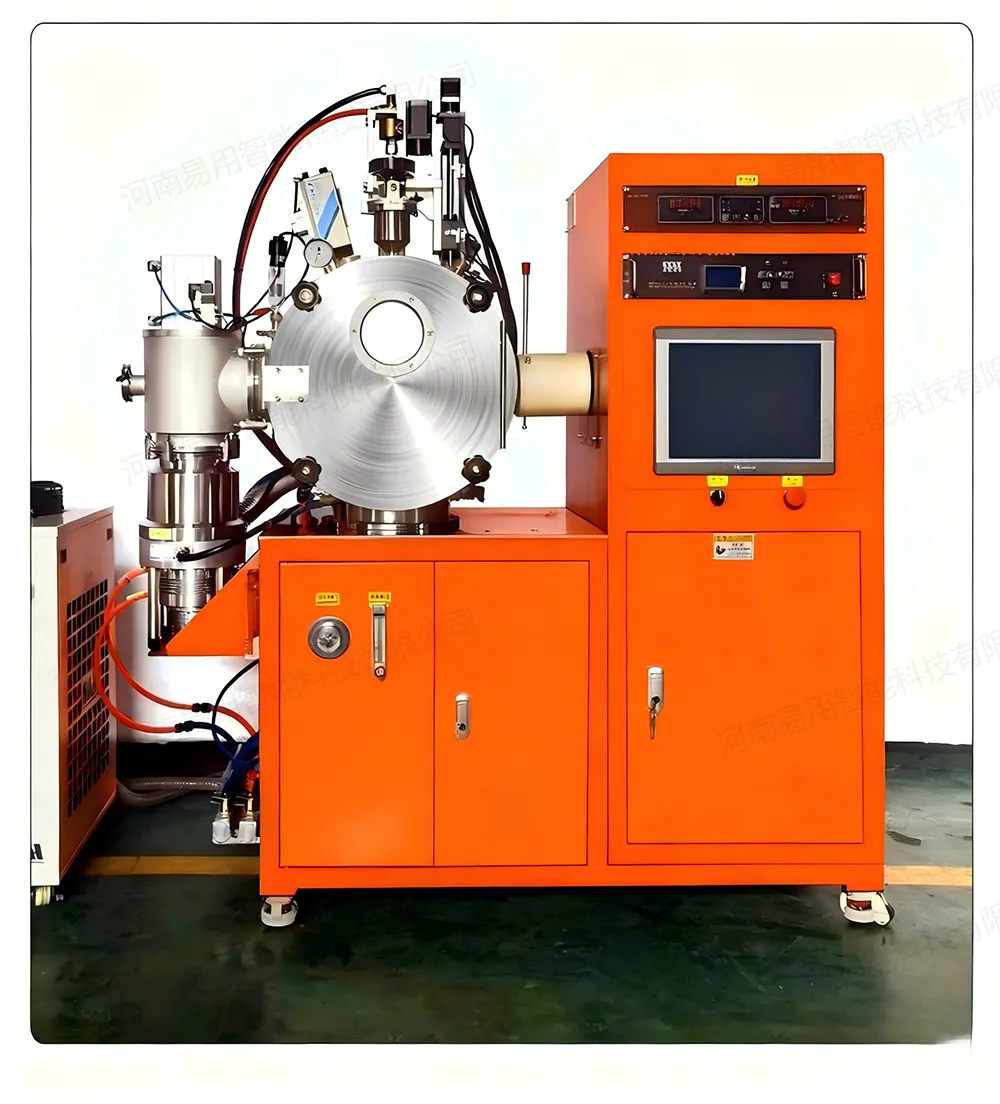
Vacuum induction melting and casting furnace
Brief Description:
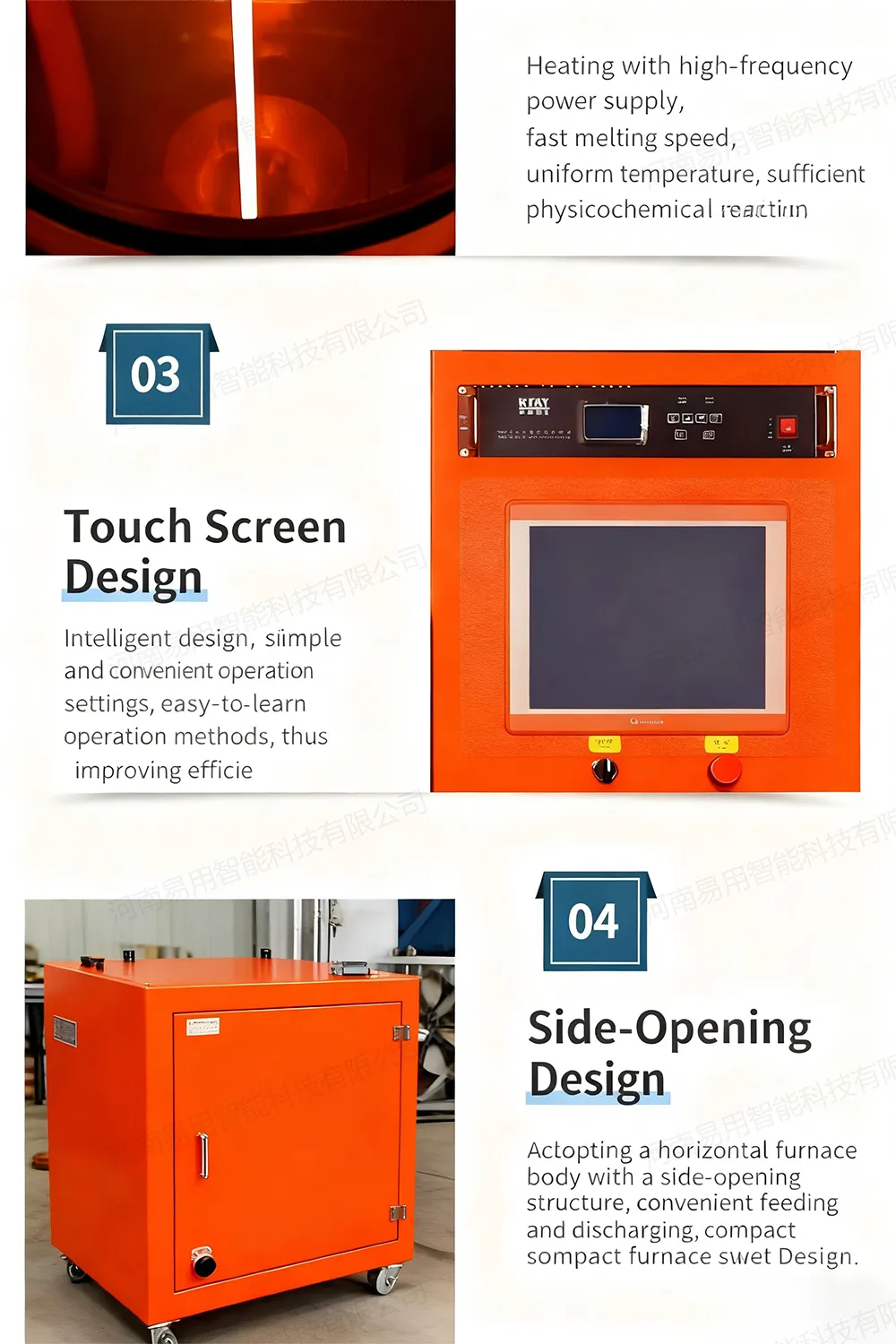
The vacuum induction melting and casting furnace adopts a horizontal furnace body with a side door structure, which is convenient for loading and unloading. The furnace body has a compact structure and occupies a small space. It adopts high-frequency power supply for heating. It is mainly used for colleges, universities and scientific research institutions to melt and cast metal materials under vacuum or protective atmosphere conditions. It can also be used for vacuum refining and precision casting of alloy steel.
Detailed introduction:
Introduction to Vacuum Induction Melting Furnace
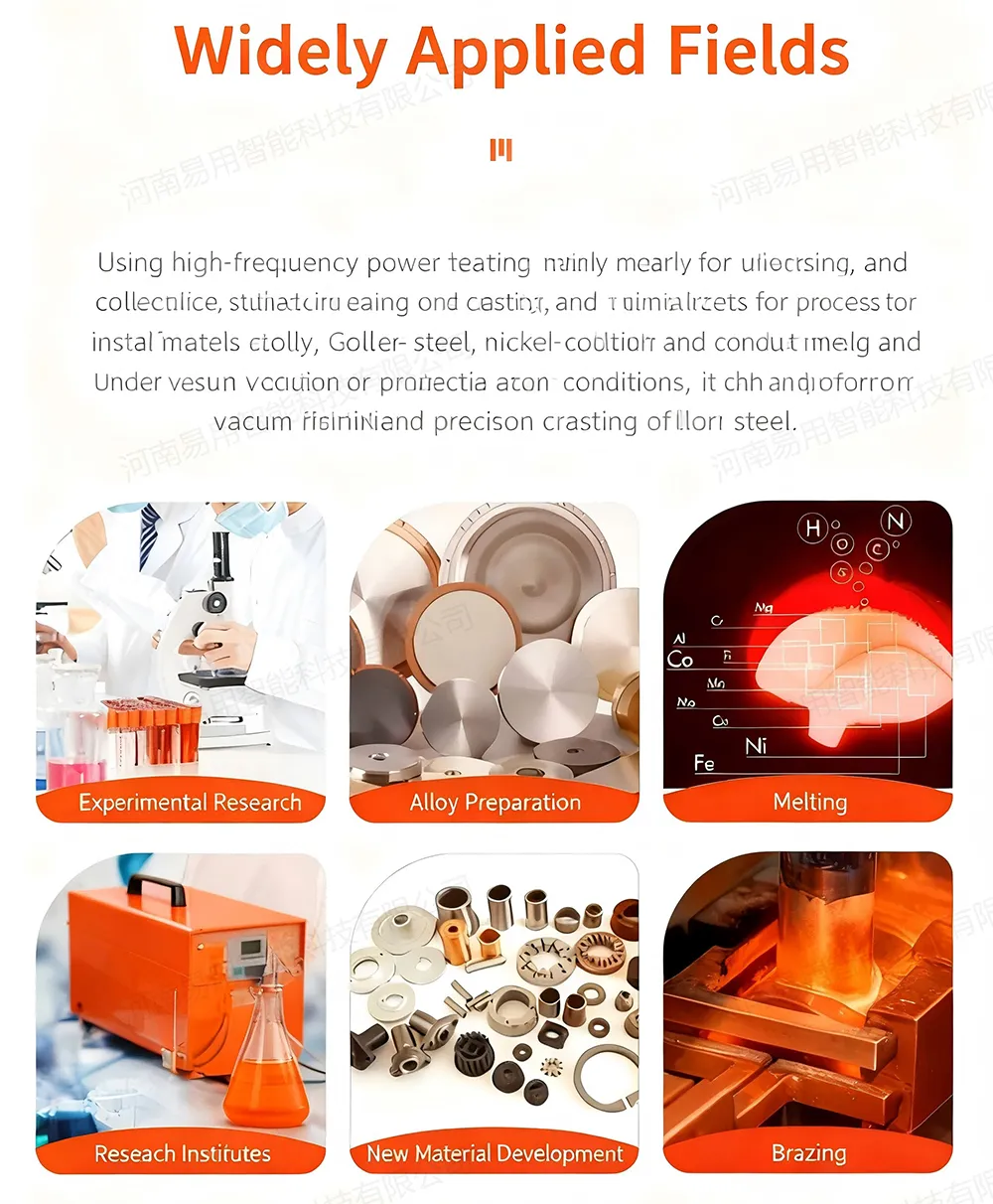
The induction melting machine melts metal materials under vacuum or protective atmosphere and casts them into water-cooled molds. Designed and manufactured specifically for industrial and research applications, it can perform the following processes on precious metals, high-purity, high-alloy steels, iron-, nickel-, and cobalt-based high-temperature resistant materials, non-ferrous metals, solar-grade silicon, and specialty materials, including special/high-temperature alloys: melting, remelting and alloying, degassing and refining, homogenization, recycling, investment casting, precision casting, directional crystallization, and single crystal growth .
Working Principle and Product Features of Vacuum Induction Melting Furnace
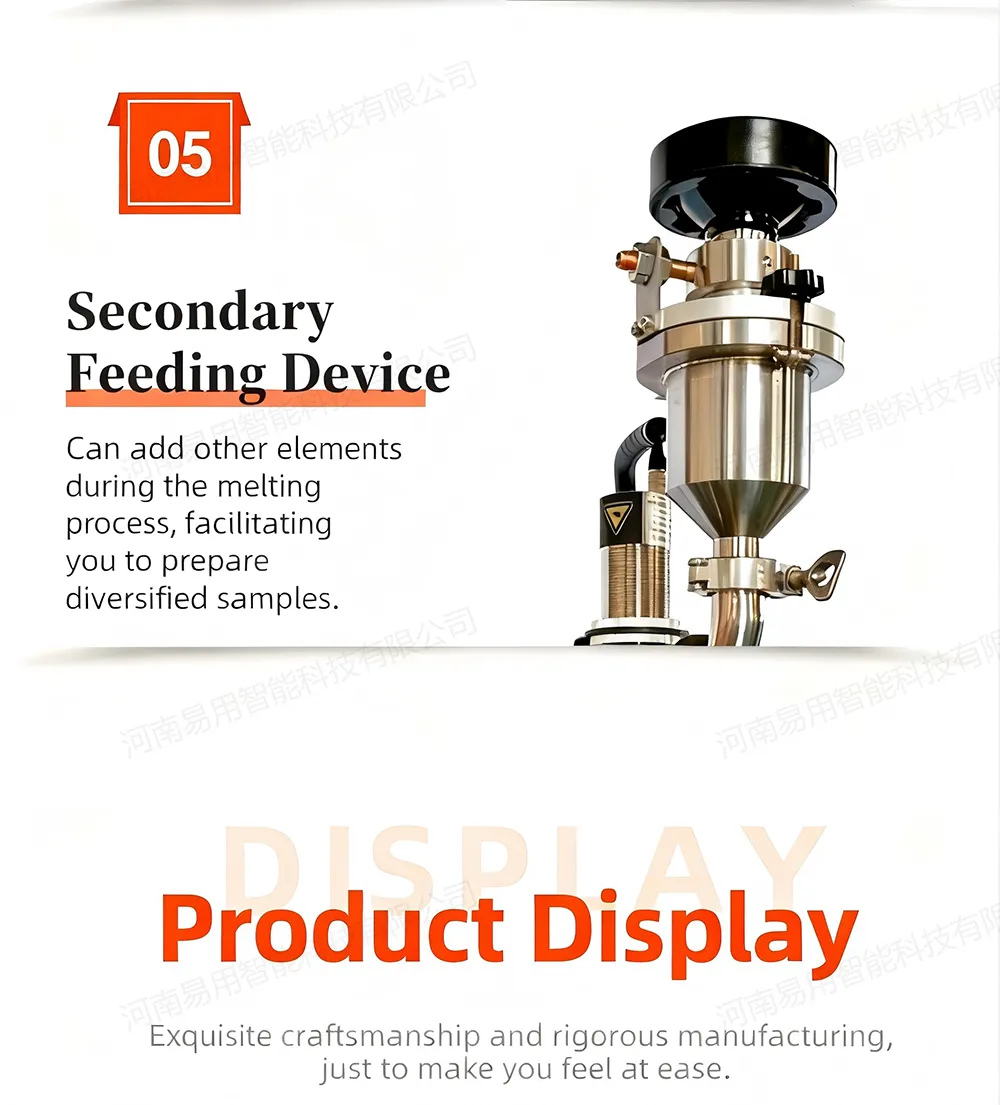
The characteristic of this equipment is that it uses induction heating to heat the metal in the graphite crucible under slightly negative pressure atmosphere. At the same time, materials can be added during the smelting process to adjust the alloy components. After the metal is melted into liquid, it is rotated and stirred to obtain a finely mixed and fully molten alloy, which is then cast into a mold to finally prepare the alloy required for the experiment.
Features
1. Reasonable layout, suitable for modular expansion or subsequent module supplement/upgrade;
2. Alloying, sampling or other melting operations in vacuum can be carried out through the vacuum sealing system;
3. Suitable for ingot casting, die casting and precision casting;
4. Convenient and safe control of process cycle;
5. The maximum melting temperature is greater than 2000 degrees;
6. Wide pressure range from 10-5Pa to 10Pa;
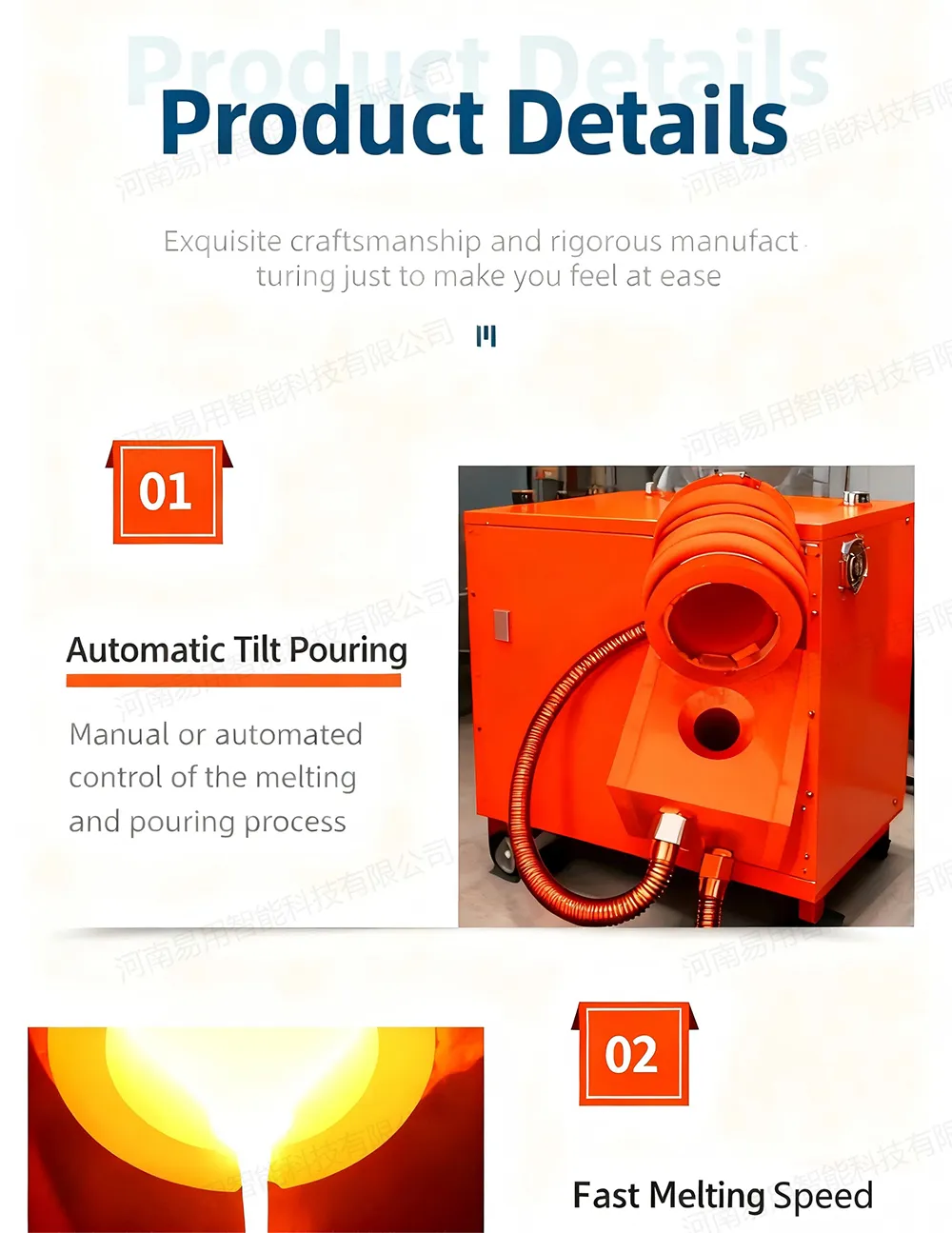
7. Manual or automatic control of melting and casting process (automatic pouring casting);
8. Effective volume 0.05 to 30 liters (50g-200kg);
9. Shorter vacuuming time and production cycle;
10. Increase process integrity and product quality through automatic casting control; reliability, durability, and easy maintenance .
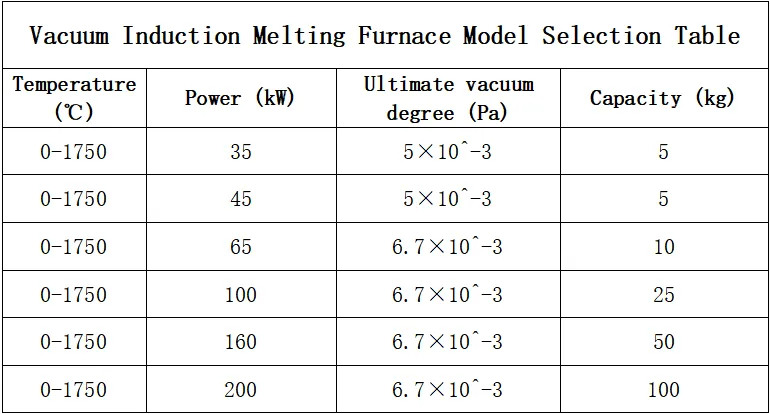
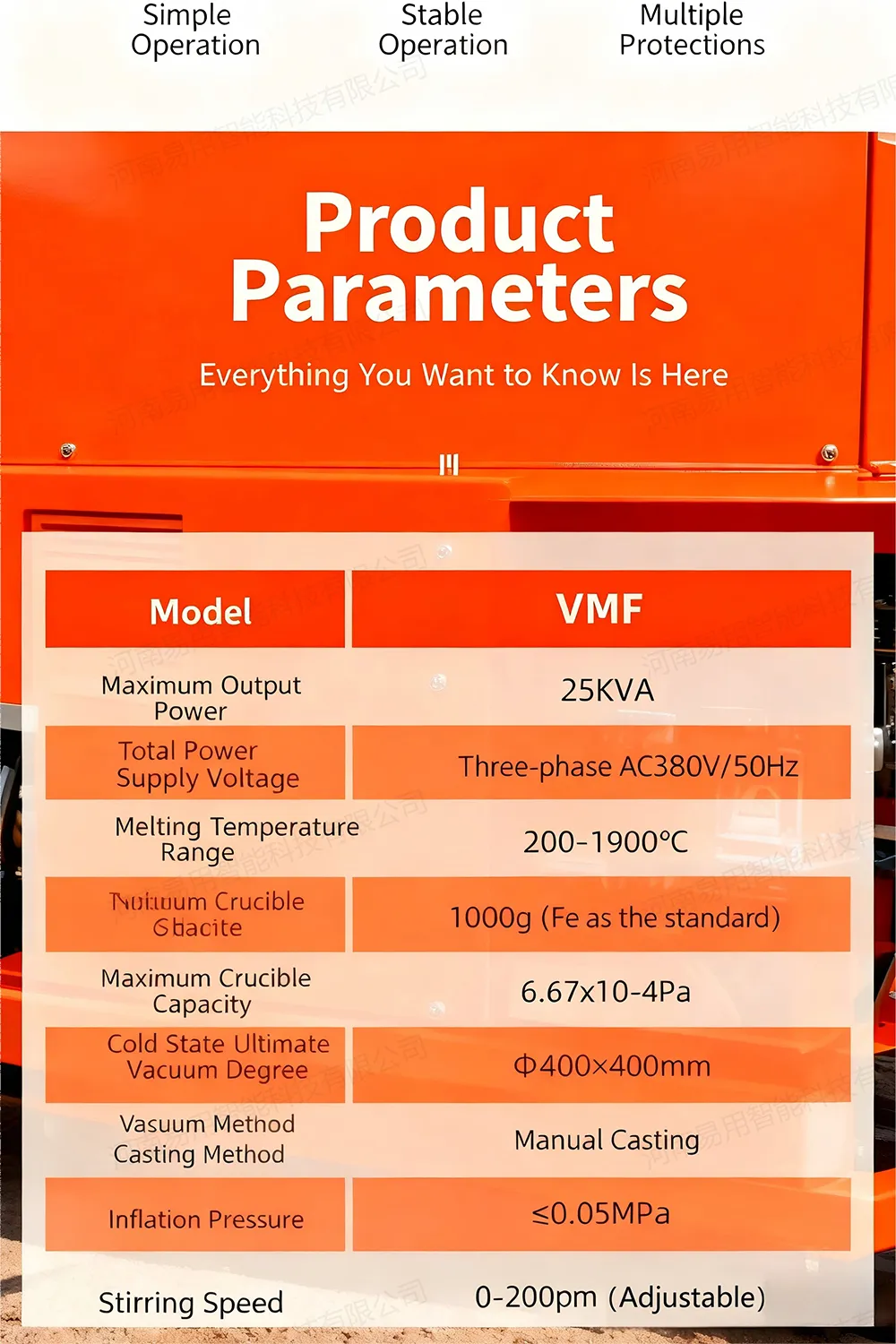
Technical Parameters

QR code

Contact information
15738867410
Online Message
Top